



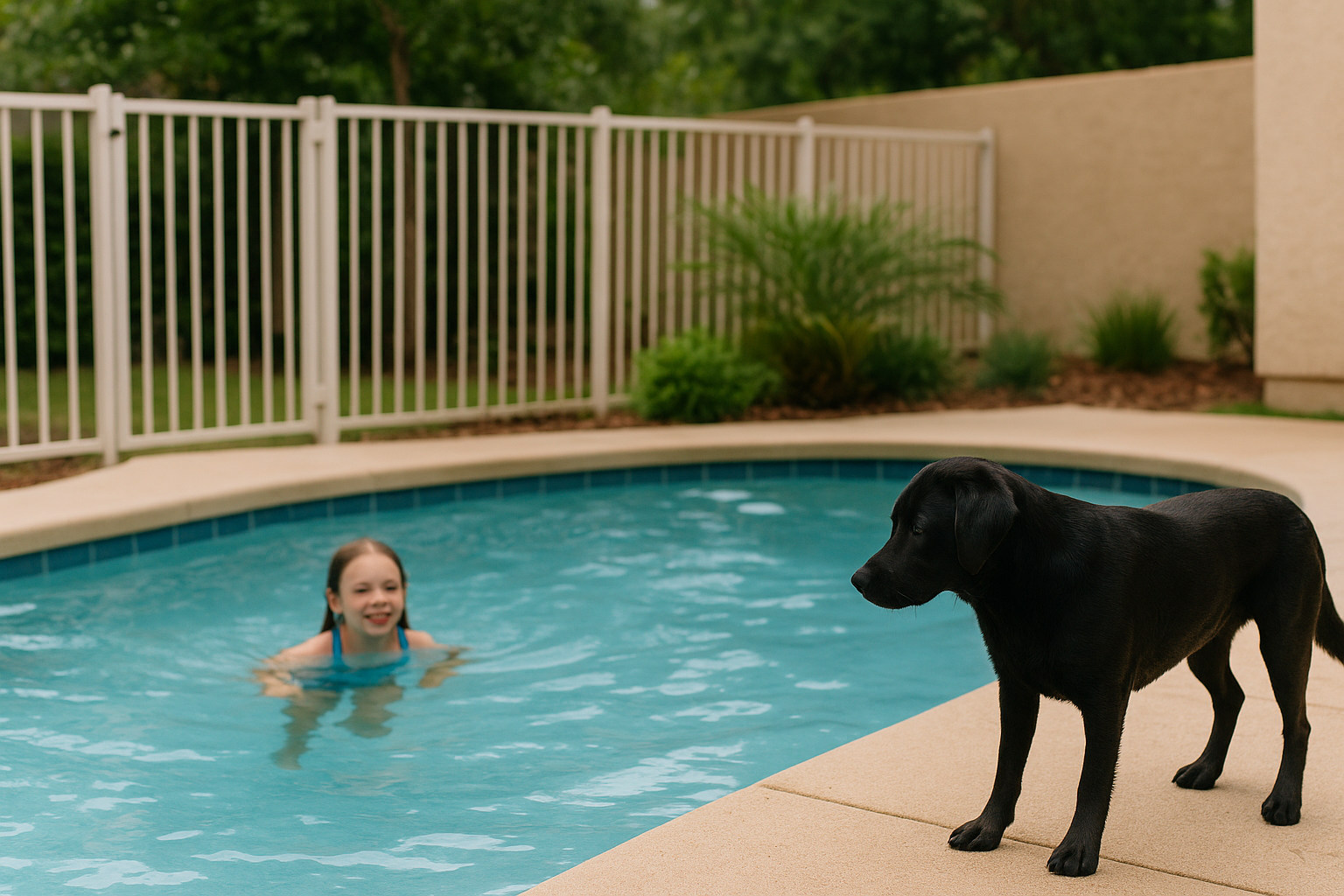
In sunny South Africa, swimming pools are more than a luxury — they’re a lifestyle. From Cape Town’s leafy suburbs to the warm coastlines of Durban, families enjoy poolside fun nearly year-round.
But with this enjoyment comes a serious responsibility. Drowning remains one of the leading causes of accidental death among young children in the country, and pets are also at risk if the pool area isn’t properly secured.
This guide offers practical, real-world tips for keeping your children and pets safe around the pool.
From active supervision and barrier options to swimming lessons and emergency preparedness, these insights will help you create a secure and stress-free environment — without compromising the aesthetic appeal of your outdoor space.
1. Constant Supervision Is Non-Negotiable
No safety measure is more effective than active, dedicated supervision. A child can slip into a pool and silently drown in less than 30 seconds — and pets can fall in without knowing how to get out.
That’s why it’s vital to always have a responsible adult watching when children or animals are near the pool, even if the water isn’t in use at that moment.
This “water watcher” should not be distracted by their phone, conversations, or food. At public pools, don’t rely solely on lifeguards — they monitor large areas and might miss something happening in your corner.
If you’re with very young children or less confident swimmers, you should be within arm’s reach at all times. The same principle applies to pets, especially excitable dogs that may leap into the water without thinking.
House rules help too. Teaching kids that they’re not allowed near the pool without adult permission can be a life-saver. Similarly, don’t let pets roam freely when you’re not supervising them directly.
2. Fencing and Barriers: Aesthetic Alternatives for Safety
Traditional pool fencing is one of the most effective ways to prevent accidents, but it’s understandable that many homeowners hesitate because of aesthetic concerns. The good news is that South Africans have several stylish, flexible options that balance both form and function.
Frameless glass fencing is a popular solution in modern homes, offering clear sightlines and a sleek finish while keeping children and pets safely out of the water when no one’s around.
Another option is removable mesh fencing, which can be installed temporarily when young visitors or pets are present and stored away when not needed. Both options blend into your landscape far better than outdated metal barriers.
If you opt not to fence your pool permanently, it’s important to reinforce safety with other layers. This includes using a solid, weight-rated pool cover that anchors securely and keeps children or pets from falling in.
Motion-detecting pool alarms or water disturbance alarms can alert you instantly if someone enters the water. Finally, ensure your household staff, children, and guests understand your pool rules clearly — because a beautiful space still needs firm boundaries when lives are at stake.
3. Pool Alarms, Covers, and Backup Safety Gear
Technology offers peace of mind, especially when used alongside physical safety barriers and direct supervision.
Pool alarms are now more accessible in South Africa and can be found on platforms like Takealot. These alarms detect surface or underwater motion and alert you instantly if someone enters the water unexpectedly.
For homes where pools are accessible from indoor areas, door and gate alarms offer another line of defense. They trigger a sound when opened — giving you time to act before anyone reaches the pool.
A safety-rated pool cover is also worth investing in. Unlike thin solar blankets, these covers are designed to support the weight of a child or pet, locking down securely when not in use.
To be fully prepared, make sure your pool area includes:
- A life ring or floating buoy
- A shepherd’s hook (rescue pole)
- A first aid kit
- A charged phone with emergency contacts (10177 or 112)
These items don’t just check a box — they provide real, immediate help when every second counts.
4. Pet-Specific Pool Safety Advice
Many pet owners assume their dogs can swim, but this is not always true — and even those that can swim might not know how to exit a pool safely. Breeds like bulldogs, pugs, and some smaller dogs are particularly vulnerable, as they can tire quickly or panic in deeper water.
To make your pool pet-friendly, start by installing a pet ramp or shallow steps where your dog can comfortably climb out.
Take time to train your pet by walking them in and out of the water until they remember where the exit is. A bright-colored marker or float near the exit point can help them identify it more easily.
For added protection, consider using a canine life jacket, especially for older dogs or pets who are not strong swimmers. These jackets offer buoyancy and make it easier to pull your pet out of the water in an emergency.
It’s also important to discourage your pets from drinking pool water, which may contain chlorine or other chemicals. Always provide a clean water bowl nearby. After swimming, rinse your pet’s fur to remove chlorine and gently dry their ears to prevent infections.
5. Swimming Lessons and Water Education
One of the most valuable safety measures you can provide your child is swimming education. South Africa has many certified instructors and swim schools that cater to all age groups, from infants to adults.
Virgin Active, Swim South Africa affiliates, and community programs offer structured lessons that teach basic skills like floating, treading water, and swimming to the pool’s edge.
Children should also learn pool-specific safety, such as why they must stay away from pool drains, why running on wet surfaces is dangerous, and why they should never swim alone. These habits, once taught early, can carry through life and protect them in many aquatic environments.
Parents should also educate their children about how to act in emergencies. For example, if a friend or pet falls in, the child should never attempt to rescue them directly, but instead shout for help and find an adult or use a flotation device.
The more your children understand water safety, the more confidently and responsibly they’ll enjoy it.
6. Emergency Preparedness and CPR Training
No matter how many precautions you take, being ready to respond in an emergency can make the difference between a close call and a tragedy. Every parent, caregiver, and even domestic staff should consider completing a certified first aid and CPR course.
Some South African training options include:
- St John South Africa – widely respected, with CPR and child-specific training
- ER24 Training Academy – offers CPR, emergency response, and first aid
- Netcare Education – provides both in-person and online blended learning
Alongside training, create a clear emergency plan: if someone falls in, who calls for help, who uses the rescue tools, and how do you direct emergency services to your home?
Post these numbers where they’re easy to find:
- 10177 – Ambulance direct line
- 112 – Cellphone emergency number (free from any mobile network)
Being calm, prepared, and trained could save a life — and that’s something every pool owner should take pride in.
7. Store Pool Chemicals Responsibly
Pool chemicals such as chlorine, acid, and pH stabilisers are essential for keeping your water clean, but they’re also hazardous if mishandled. Store all pool-related chemicals in a locked cabinet or shed, well out of reach of children or animals.
Ensure containers are sealed properly, labelled clearly, and never left open or near play areas.
Chemical safety also includes how you maintain your pool. A poorly balanced pool can irritate swimmers’ eyes and skin — or create dangerous waterborne bacteria. Routine testing and responsible storage ensure both hygiene and safety.
Conclusion: Safe Pools Make for Relaxed Families
In a country like South Africa, where outdoor living and family time often centre around the pool, safety can’t be left to chance. Whether you have a sleek, modern pool in a city suburb or a casual setup in a more rural area, you owe it to your family — and your pets — to put safeguards in place.
By combining careful supervision, clever barrier alternatives, smart technology, swimming education, and emergency preparedness, you create a safer, more relaxed space where everyone can truly enjoy the water.
It’s not about taking the fun out of pool time — it’s about ensuring those fun memories are never clouded by avoidable tragedy.
With just a few thoughtful changes, your pool can remain the centre of your family’s joy — and not a hidden risk. Safety is the foundation of carefree fun, and when done right, it blends in so seamlessly that your family won’t notice the precautions — just the freedom to enjoy summer to the fullest.


Comments are closed