



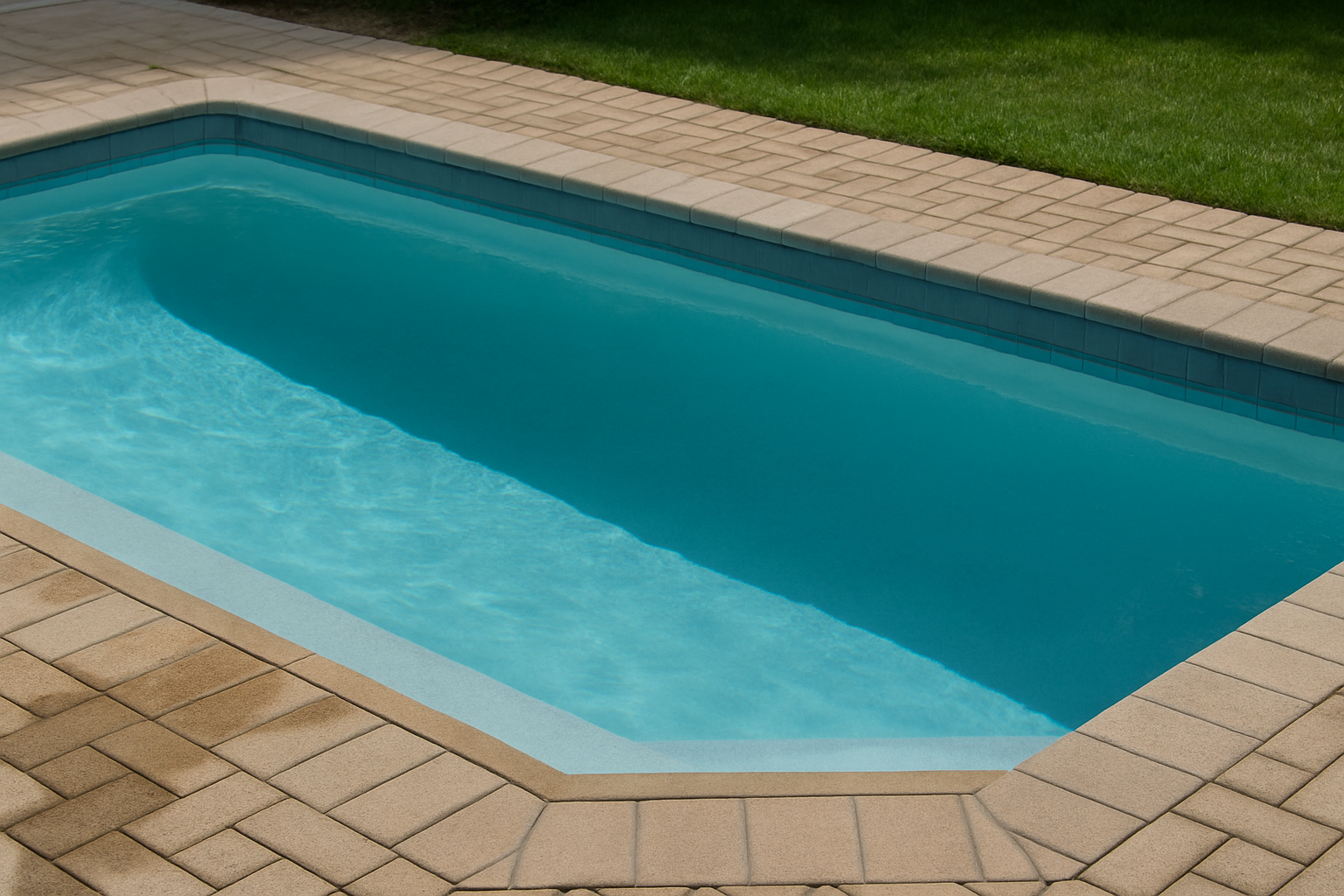
If you’ve ever looked at your swimming pool and thought, “Didn’t the water level seem higher yesterday?”, you’re not alone.
Pool leaks are a common — and often costly — issue for pool owners in Cape Town and across South Africa. The challenge is that leaks can be hard to spot and even harder to locate without professional help.
In this article, we’ll walk you through the most common signs your pool may be leaking, how to test for a leak, and what steps to take next — including when to call in the experts.

Common Signs Your Pool Has a Leak
Pools naturally lose water through evaporation, splash-out, and even backwashing. But if your pool is losing more than a few centimetres per week, something’s wrong.
Here are the top signs that your pool may have a leak:
1. Excessive Water Loss (Beyond Evaporation)
Cape Town’s warm summers and windy conditions can cause pools to lose up to 3–5 cm of water per week. However, if you’re refilling your pool every few days — or you notice a sudden drop overnight — it’s likely more than just the weather.
Also, if you have a pool cover and are still losing water, evaporation is unlikely to be the cause.
2. Soggy, Unusually Wet or Sunken Areas Around the Pool
Water leaking from underground pipes or a cracked shell often seeps into the surrounding soil. This can result in:
- Constantly wet grass or paving on one side of the pool
- Sunken paving stones or bulging tiles
- Soil erosion or bubbling sounds underfoot when walking nearby
In areas like the Southern Suburbs or Durbanville, where pools are often close to lawns and landscaping, these wet zones can also damage your garden or even nearby foundations.
3. Cracks in the Pool Structure
Hairline cracks may seem harmless, but they can be a hidden source of leaks — especially in older gunite, concrete, or fibreglass pools. You might notice:
- Waterline cracks along the tile band
- Long cracks at the floor-wall junction
- Delaminated or blistered fibreglass layers
Cracks may worsen in winter if water enters them and expands during cold temperatures.
4. Air in the Pump or Bubbles in Return Jets
If your pool pump is sputtering or struggling to maintain pressure, air might be entering through a suction-side leak. This often points to issues in the underground plumbing between the pool and the pump station.
Return jets bubbling? That’s a classic sign of air intrusion.
5. Chemical Imbalance or Algae That Won’t Go Away
When a pool leaks, it continuously draws in fresh water (via refilling), which dilutes your chemical balance. As a result, you may find it harder to maintain:
- Proper chlorine levels
- Stable pH and alkalinity
- Clean, algae-free water
You’ll also end up spending more on chemicals to rebalance your pool.
6. Higher Than Normal Water Bills
A sharp spike in your municipal water bill can signal a leak — particularly for homeowners in Cape Town where water costs are closely monitored. If you don’t have an auto-fill system and you’re manually topping up every few days, it’s worth investigating.e suction line or pool structure itself.
What to Do If You Suspect a Leak
Step 1: Don’t Ignore It
The longer you wait, the more damage a leak can do:
- Weakening pool foundations
- Undermining surrounding paving and garden beds
- Damaging nearby buildings or structures
- Inflating your monthly water bill
Even a small leak can waste thousands of litres in a month.
Step 2: Get a Professional Leak Assessment
At Cape Pools, we provide thorough leak detection services using industry-leading tools like:
- Acoustic listening devices
- Pressure testing for pipes
- Dye and tracer tests
- Thermal imaging (for complex cases)
Our team has experience working with all pool types in South Africa, including fibreglass, gunite, and vinyl-lined pools — and we know how to diagnose leaks without unnecessary excavation.
Step 3: Let Us Handle the Repairs
Depending on the leak, we may recommend:
- Crack sealing and waterproofing
- Fibreglass resurfacing
- Underground pipe replacement
- Pool equipment replacement or repair
We always explain the issue clearly and provide options to suit your budget.
Preventing Pool Leaks in the Future
While not all leaks are preventable, these tips will reduce your chances:
- Schedule annual inspections, especially after winter or before summer.
- Maintain proper water chemistry, as unbalanced pH or high chlorine can corrode pipes and surfaces.
- Install quality fittings — cheaper skimmers, lights, and piping may fail faster in Cape Town’s changing weather.
- Use expansion joints for concrete pools to allow for thermal movement.
- Avoid draining your pool unnecessarily, especially on clay-rich or sandy soil.
Regular maintenance doesn’t just prevent leaks — it extends the life of your entire pool system.
Let Cape Pools Help You Fix It Right — The First Time
Whether you’re noticing soggy paving, rising water bills, or a green pool that just won’t clear up, Cape Pools is here to help. We’ve helped hundreds of homeowners and commercial property managers throughout the Western Cape detect and fix leaks with minimal hassle and long-term results.
Contact us today for expert leak detection and pool repair services you can trust — because your peace of mind is worth it.


Comments are closed